AI Chat Apps Roleplay

AI Chat Apps Roleplay — independent reviews, comparisons, pricing and step-by-step guides on Aizhi.

  • Continuous Function Chart

    Continuous Function Chart

    A Continuous Function Chart (CFC) is a graphic editor that can be used in conjunction with the STEP 7 software package or with other tools, such as CODESYS. It is used to create the entire software structure of the CPU from ready-made blocks. When working with the editor, you place blocks on function charts, assign parameters to them, and interconnect them. Interconnecting means, for example, that values are transferred from one output to one or more inputs during communication between the blocks. Continuous function charts are basically used for controlling continuous processes, where all the logic is executed and outputs are calculated in each PLC scan. Whereas in SFC, execution will be sequential as done is batch processes.

    Read more →
  • Bainu (website)

    Bainu (website)

    Bainu ("how are you?") is a Chinese social networking website written in the Mongolian language. As of 2020 it had about 400,000 users, concentrated in Inner Mongolia. == Core features and positioning == Language and Cultural Characteristics Bainu is based on Traditional Mongolian Script and supports social interactions in the Mongolian language, including various message formats such as text, voice, images, and video. This design aims to preserve and promote Mongolian language and culture, particularly appealing to users in Inner Mongolia and other Mongolian-populated areas. Social Features Instant Messaging: Supports one-on-one private chats and group chats. Users can create interest-based groups or join local communities. Life Sharing: Through the "Chomorlig" feature (similar to Moments or a dynamic feed), users can share daily highlights to enhance community interaction. Location-Based Socializing: Recommends nearby users based on location, making it easier to connect with Mongolian friends in the same city or neighboring regions. Multilingual Support The app interface is available in English, Mongolian, and Simplified Chinese. == Technical Features and User Experience == Cross-Platform Compatibility Supports iPhone, iPad, Mac (with M1 chip or above), and Apple Vision Pro devices, covering users across the Apple ecosystem. Pricing Model Free download and basic features are available. Premium services (e.g., ad-free experience, extended social functions) require a subscription, with pricing options including $0.99/month, $2.99/quarter, and $6.99/year. User Feedback Positive Reviews: Some users praise it as the "best Mongolian-language chat app," recognizing its cultural value and social convenience. Negative Feedback: Reports of app crashes and technical issues, with some users calling for improved stability (e.g., frequent crashes in the iOS version). == Privacy and Data Policy == Bainu collects user data such as location, contact information, and device identifiers, which are linked to user identities. Additionally, user behavior may be tracked through third-party services, raising some privacy concerns. == Current Development and Challenges == User Base As of 2020, Bainu had approximately 400,000 users, primarily concentrated in Inner Mongolia. Policy Impact It was reported by Voice of America (VOA) that the Chinese authorities blocked Bainu on 23 August 2020 in order to prohibit Mongolians from discussing the issue of the authorities’ implementation of "bilingual education" in elementary schools. But now, in 2025, this software is completely available for download and use. see:https://bainu.com/

    Read more →
  • Haul video

    Haul video

    A haul video is a video recording posted to the Internet in which a person discusses items that they recently purchased, sometimes going into detail about their experiences during the purchase and the cost of the items they bought. The posting of haul videos (or hauls) was a growing trend between 2008 and 2016. Often the items bought are books, clothing, groceries, household goods, makeup, or jewellery. == Details == The posting of haul videos grew as a trend between 2008 and 2016. By late 2010, nearly a quarter of a million haul videos had been shared on the website YouTube alone. Certain videos have each received tens of millions of views. Many young adults (mostly women) have displayed their shopping hauls, while including their beauty and design commentary in the narration. The videos are often grouped by store name or by the type of product (cosmetics, accessories, shoes, postage stamps, etc.). Before haul videos became an online trend, millions of people spent time watching other people, in technical product videos unbox their latest new gadgets and technology. The trend of "unboxing videos" had emerged during 2006. Haul videos have led to celebrity status for some people. Other haul video bloggers have entered sponsorship deals and advertising programs from major brands. The videos are rarely negative about the products being reviewed. This aspect of the genre of haul videos makes sponsorship by brand advertisers particularly appealing. Brands including J.C. Penney contacted haulers as part of their marketing efforts for Back to School 2010. Haul videos also convinced three San Francisco Bay Area area natives to launch HaulBlog–a parody site that creates fake haul videos which poke fun at the phenomenon. The site is also home to the original monthly web series "The Haul Monitor" a humorous commentary show that features haul videos from around the community. == Fashion media == Sarah Sykes and John Zimmerman of Carnegie Mellon University, HCII and School of Design wrote an article "Making Sense of Haul Videos: Self-created Celebrities Fill a Fashion Media Gap". They discuss their analysis and research project examining what makes video bloggers so popular on YouTube, as well as how it affects fashion media through the production of haul videos. == Federal Trade Commission == The United States Federal Trade Commission recently enacted laws to regulate many types of online publishers and content creators. The posted information includes blogging and podcasting in text, images, audio, and video. While any publishers (including the haul-video creators) are allowed to accept free merchandise and advertising, the gifts or payments must be fully (and clearly) disclosed to reveal being paid by a brand name, as a sponsor, to review a product. The Canadian Radio-television and Telecommunications Commission is also closely monitoring such Internet activities.

    Read more →
  • LTE (telecommunication)

    LTE (telecommunication)

    In telecommunications, Long Term Evolution (LTE) is a standard for wireless broadband communication for cellular mobile devices and data terminals. It is considered to be a "transitional" 4G technology, and is therefore also referred to as 3.95G as a step above 3G. LTE is based on the 2G GSM/EDGE and 3G UMTS/HSPA standards. It improves on those standards' capacity and speed by using a different radio interface and core network improvements. LTE is the upgrade path for carriers with both GSM/UMTS networks and CDMA2000 networks. LTE has been succeeded by LTE Advanced, which is officially defined as a "true" 4G technology and also named "LTE+". == Terminology == The standard is developed by the 3GPP (3rd Generation Partnership Project) and is specified in its Release 8 document series, with minor enhancements described in Release 9. LTE is also called 3.95G and has been marketed as 4G LTE and Advanced 4G; but the original version did not meet the technical criteria of a 4G wireless service, as specified in the 3GPP Release 8 and 9 document series for LTE Advanced. The requirements were set forth by the ITU-R organisation in the IMT Advanced specification; but, because of market pressure and the significant advances that WiMAX, Evolved High Speed Packet Access, and LTE bring to the original 3G technologies, ITU-R later decided that LTE and the aforementioned technologies can be called 4G technologies. The LTE Advanced standard formally satisfies the ITU-R requirements for being considered IMT-Advanced. To differentiate LTE Advanced and WiMAX-Advanced from current 4G technologies, ITU has defined the latter as "True 4G". == Overview == LTE stands for Long Term Evolution and is a registered trademark owned by ETSI (European Telecommunications Standards Institute) for the wireless data communications technology and development of the GSM/UMTS standards. However, other nations and companies do play an active role in the LTE project. The goal of LTE was to increase the capacity and speed of wireless data networks using new DSP (digital signal processing) techniques and modulations that were developed around the turn of the millennium. A further goal was the redesign and simplification of the network architecture to an IP-based system with significantly reduced transfer latency compared with the 3G architecture. The LTE wireless interface is incompatible with 2G and 3G networks, so it must be operated on a separate radio spectrum. The idea of LTE was first proposed in 1998, with the use of the COFDM radio access technique to replace the CDMA and studying its Terrestrial use in the L band at 1428 MHz (TE) In 2004 by Japan's NTT Docomo, with studies on the standard officially commenced in 2005. In May 2007, the LTE/SAE Trial Initiative (LSTI) alliance was founded as a global collaboration between vendors and operators with the goal of verifying and promoting the new standard to ensure the global introduction of the technology as quickly as possible. The LTE standard was finalized in December 2008, and the first publicly available LTE service was launched by TeliaSonera in Oslo and Stockholm on December 14, 2009, as a data connection with a USB modem. The LTE services were launched by major North American carriers as well, with the Samsung SCH-r900 being the world's first LTE Mobile phone starting on September 21, 2010, and Samsung Galaxy Indulge being the world's first LTE smartphone starting on February 10, 2011, both offered by MetroPCS, and the HTC ThunderBolt offered by Verizon starting on March 17 being the second LTE smartphone to be sold commercially. In Canada, Rogers Wireless was the first to launch LTE network on July 7, 2011, offering the Sierra Wireless AirCard 313U USB mobile broadband modem, known as the "LTE Rocket stick" then followed closely by mobile devices from both HTC and Samsung. Initially, CDMA operators planned to upgrade to rival standards called UMB and WiMAX, but major CDMA operators (such as Verizon, Sprint and MetroPCS in the United States, Bell and Telus in Canada, au by KDDI in Japan, SK Telecom in South Korea and China Telecom/China Unicom in China) have announced instead they intend to migrate to LTE. The next version of LTE is LTE Advanced, which was standardized in March 2011. Services commenced in 2013. Additional evolution known as LTE Advanced Pro was approved in 2015. The LTE specification provides downlink peak rates of 300 Mbit/s, uplink peak rates of 75 Mbit/s, and QoS provisions permitting a transfer latency of less than 5 ms in the radio access network. LTE has the ability to manage fast-moving mobiles and supports multicast and broadcast streams. LTE supports scalable carrier bandwidths, from 1.4 MHz to 20 MHz and supports both frequency division duplexing (FDD) and time-division duplexing (TDD). The IP-based network architecture, called the Evolved Packet Core (EPC) designed to replace the GPRS Core Network, supports seamless handovers for both voice and data to cell towers with older network technology such as GSM, UMTS and CDMA2000. The simpler architecture results in lower operating costs (for example, each E-UTRA cell will support up to four times the data and voice capacity supported by HSPA). Because LTE frequencies and bands differ from country to country, only multi-band phones can use LTE in all countries where it is supported. == History == === 3GPP standard development timeline === In 2004, NTT Docomo of Japan proposes LTE as the international standard. In September 2006, Siemens Networks (today Nokia Networks) showed in collaboration with Nomor Research the first live emulation of an LTE network to the media and investors. As live applications, two users streaming an HDTV video in the downlink and playing an interactive game in the uplink have been demonstrated. In February 2007, Ericsson demonstrated for the first time in the world, LTE with bit rates up to 144 Mbit/s In September 2007, NTT Docomo demonstrated LTE data rates of 200 Mbit/s with power level below 100 mW during the test. In November 2007, Infineon presented the world's first RF transceiver named SMARTi LTE, supporting LTE functionality in a single-chip RF silicon processed in CMOS In early 2008, LTE test equipment began shipping from several vendors and at the Mobile World Congress 2008 in Barcelona, Ericsson demonstrated the world's first end-to-end mobile call enabled by LTE on a small handheld device. Motorola demonstrated an LTE RAN (Radio Access Network) standard compliant eNodeB and LTE chipset at the same event. At the February 2008 Mobile World Congress: Motorola demonstrated how LTE can accelerate the delivery of personal media experience with HD video demo streaming, HD video blogging, online gaming, and VoIP over LTE running a RAN standard-compliant LTE network & LTE chipset. Ericsson EMP (later ST-Ericsson) demonstrated the world's first end-to-end LTE call on handheld Ericsson demonstrated LTE FDD and TDD mode on the same base station platform. Freescale Semiconductor demonstrated streaming HD video with peak data rates of 96 Mbit/s downlink and 86 Mbit/s uplink. NXP Semiconductors (later part of ST-Ericsson) demonstrated a multi-mode LTE modem as the basis for a software-defined radio system for use in cellphones. picoChip and Mimoon demonstrated a base station reference design. This runs on a common hardware platform (multi-mode / software-defined radio) with their WiMAX architecture. In April 2008, Motorola demonstrated the first EV-DO to LTE hand-off handling over streaming a video from LTE to a commercial EV-DO network and back to LTE. In April 2008, LG Electronics and Nortel demonstrated LTE data rates of 50 Mbit/s while travelling at 110 km/h (68 mph). In November 2008, Motorola demonstrated industry first over-the-air LTE session in 700 MHz spectrum. Researchers at Nokia Siemens Networks and Heinrich Hertz Institut have demonstrated LTE with 100 Mbit/s Uplink transfer speeds. At the February 2009 Mobile World Congress: Infineon demonstrated a single-chip 65 nm CMOS RF transceiver providing 2G/3G/LTE functionality Launch of ng Connect program, a multi-industry consortium founded by Alcatel-Lucent to identify and develop wireless broadband applications. Motorola provided LTE drive tour on the streets of Barcelona to demonstrate LTE system performance in a real-life metropolitan RF environment In July 2009, Nujira demonstrated efficiencies of more than 60% for an 880 MHz LTE Power Amplifier In August 2009, Nortel and LG Electronics demonstrated the first successful handoff between CDMA and LTE networks in a standards-compliant manner In August 2009, Alcatel-Lucent receives FCC certification for LTE base stations for the 700 MHz spectrum band. In September 2009, Nokia Siemens Networks demonstrated the world's first LTE call on standards-compliant commercial software. In October 2009, Ericsson and Samsung demonstrated interoperability between the first ever commercial LTE device and the live network in

    Read more →
  • Brain technology

    Brain technology

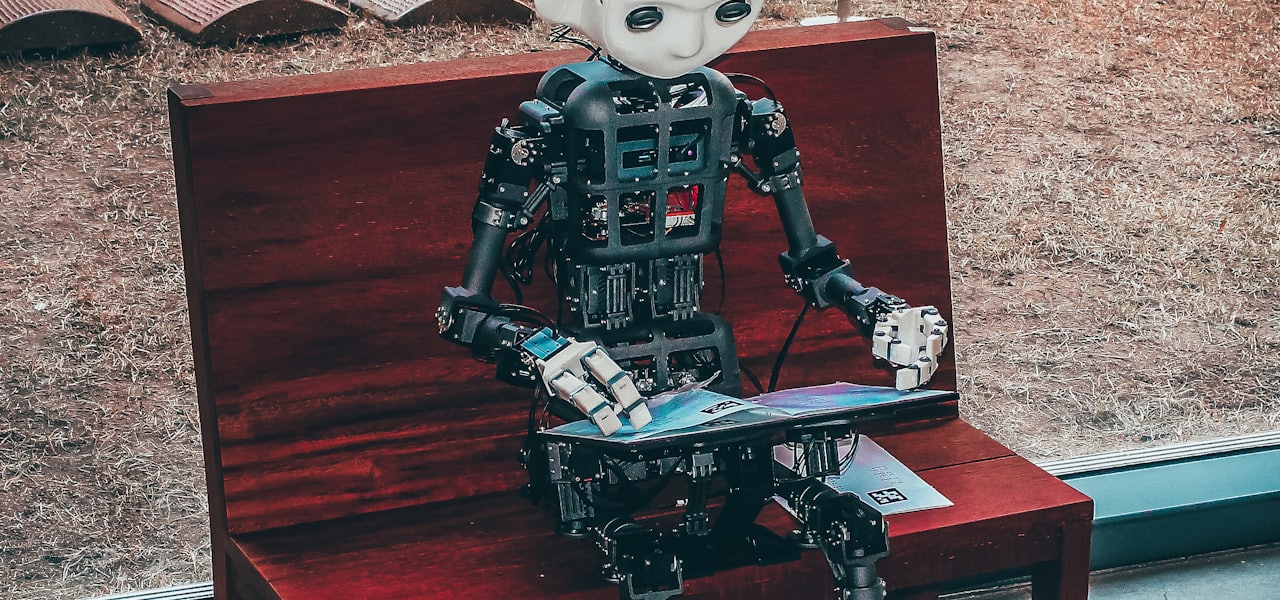
    Brain technology, or self-learning know-how systems, defines a technology that employs latest findings in neuroscience. [see also neuro implants] The term was first introduced by the Artificial Intelligence Laboratory in Zurich, Switzerland, in the context of the Roboy project. Brain Technology can be employed in robots, know-how management systems and any other application with self-learning capabilities. In particular, Brain Technology applications allow the visualization of the underlying learning architecture often coined as "know-how maps". == Research and applications == The first demonstrations of BC in humans and animals took place in the 1960s when Grey Walter demonstrated use of non-invasively recorded encephalogram (EEG) signals from a human subject to control a slide projector (Graimann et al., 2010). Soon after Jacques J. Vidal coined the term brain–computer interface (BCI) in 1971, the Defense Advanced Research Projects Agency (DARPA) first starting funding brain–computer interface research and has since funded several brain–computer interface projects. That market is expected to reach a value of $1.72 billion by 2022. Brain–computer interfaces record brain activity, transmit the information out of the body, signal-process the data via algorithms, and convert them into command control signals. In 2012, a landmark study in Nature, led by pioneer Leigh Hochberg, MD, PhD, demonstrated that two people with tetraplegia were able to control robotic arms through thought when connected to the BrainGate neural interface system. The two participants were able to reach for and grasp objects in three-dimensional space, and one participant used the system to serve herself coffee for the first time since becoming paralyzed nearly 15 years prior. And in October 2020, two patients were able to wirelessly control an operating system to text, email, shop and bank using direct thought through the Stentrode brain computer interface (Journal of NeuroInterventional Surgery) in a study led by Thomas Oxley. This was the first time a brain–computer interface was implanted via the patient's blood vessels, eliminating the need for open brain surgery. Currently a number of groups are exploring a range of experimental devices using brain–computer interfaces, which have the potential to fundamentally change the way of life for patients with paralysis and a wide range of neurological disorders. These include: as Elon Musk, Facebook, and the University of California in San Francisco. The systems. This technology is also being explored as a neuromodulation device and may ultimately help diagnose and treat a range of brain pathologies, such as epilepsy and Parkinson's disease.

    Read more →
  • Cardiovascular health awareness in Nepal

    Cardiovascular health awareness in Nepal

    Cardiovascular health awareness in Nepal has improved in recent times. It has emerged as a cost-effective tool for prevention of heart disease in recent years. == Background == Cardiovascular diseases in Nepal is responsible for maximum number of deaths and rapid urbanization possess extra threat in this situation emphasizing need for widespread awareness campaigns. Efforts to enhance cardiovascular health awareness among the general public, particularly through social media platforms, have proven pivotal in motivating individuals to adopt healthier lifestyle choices and improve heart health in Nepal in recent years. These awareness initiatives, often organized on special occasions such as World Heart Day of World Heart Federation, World Hypertension Day, and World Health Day of World Health Organization, have garnered active participation from the public, reflecting a growing interest in health-related information. Notably, various hospitals, organizations, and health professionals actively contribute to cardiovascular health awareness in Nepal. The prevalence of heart health-related content on social media platforms indicates a substantial dissemination of information. The engagement of a large number of followers underscores the audience's keen interest in health matters, evident in the significant engagement on various social media accounts and pages. During an event of cardiovascular health awareness a Guinness World Record was achieved on World Heart Day 2023. A Facebook live awareness programme on heart health prevention attracted 11,212 viewers during the 30-minute presentation and was awarded the "Most viewers for a cardiovascular health awareness live stream on Facebook" by Guinness World Record signifying depth of public involvement and importance of social media use in health awareness. In 2014, a 11-day heart camp was conducted in Nepal to raise awareness . In 2015, a is a heart health education program " Mission to Save Heart" was conducted to empower health professionals to manage heart attacks and reduce heart disease deaths.

    Read more →
  • Digital edition

    Digital edition

    A digital edition is an online magazine or online newspaper delivered in electronic form which is formatted identically to the print version. Digital editions are often called digital facsimiles to underline the likeness to the print version. Digital editions have the benefit of reduced cost to the publisher and reader by avoiding the time and the expense to print and deliver paper edition. This format is considered more environmentally friendly due to the reduction of paper and energy use. These editions also often feature interactive elements such as hyperlinks both within the publication itself and to other internet resources, search option and bookmarking, and can also incorporate multimedia such as video or animation to enhance articles themselves or for advertisement purposes. Some delivery methods also include animation and sound effects that replicate turning of the page to further enhance the experience of their print counterparts. Magazine publishers have traditionally relied on two revenue sources: selling ads and selling magazines. Additionally some publishers are using other electronic publication methods such as RSS to reach out to readers and inform them when new digital editions are available. Current technologies are generally either reader-based, requiring a download of an application and subsequent download of each edition, or browser-based, often using Macromedia Flash, requiring no application download (such as Adobe Acrobat). Some application-based readers allow users to access editions while not connected to internet. Dedicated hardware such as the Amazon Kindle and the iPad is also available for reading digital editions of select books, popular national magazines such as Time, The Atlantic, and Forbes and popular national newspapers such as the New York Times, Wall Street Journal, and Washington Post. Archives of print newspapers, in some cases dating hundreds of years back, are being digitized and made available online. Google is indexing existing digital archives produced by the newspapers themselves or by third parties. Newspaper and magazine archival began with microform film formats solving the problem of efficiently storing and preserving. This format, however, lacked accessibility. Many libraries, especially state libraries in the United States are archiving their collections digitally and converting existing microfilm to digital format. The Library of Congress provides project planning assistance and the National Endowment for the Humanities procures funding through grants from its National Digital Newspaper Program. Digital magazines, ezines, e-editions and emags are sometimes referred to as digital editions, however some of these formats are published only in digital format unlike digital editions which replicate a printed edition as well. == Digital magazines == Digital-replica magazines number in thousands—consumer and business publications, house magazines for associations, institutions and corporations – and conversion from print to digital was still increasing as of 2009. A 2008 report funded by digital-replica technology providers and auditing agencies counted 1,786 digital-replica editions having more than 7 million circulation among business-to-business publications, of which 230 editions were audited The same report counted 1,470 digital-replica editions of consumer magazines having 5.5 million digital circulation, of which 240 editions were audited. These authors estimated that by year end of 2009 there would be 8,000 digital magazines, having a combined distribution of more than 30 million people. Surveys have shown that, while not all subscribers prefer a digital edition, some do because of the environmental benefit and also because digital magazines are searchable and may easily be passed along or linked to. One such survey funded by a digital publisher reported on inputs from more than 30,000 subscribers to business, consumer and other digital magazines. == Digital magazine business models == === Reduced printing and distribution costs === The publishers' choice to save by moving some or all subscribers from print to digital is widely accepted. Oracle magazine, which has 176,000 of its 516,000 subscribers receiving digital according to its June 2009 BPA circulation statement, is said to be the most widely circulated digital edition of a business-to-business publication. Publishers who do this need to choose whether to make some issues all-digital, move some subscribers to digital edition, add some digital-only subscribers, or send all subscribers the digital edition. === Paid subscription revenue === In 2009, a major consumer magazine, PC Magazine, went all-digital, charging an annual subscription fee for its digital-replica edition. Many consumer magazines and newspapers are already available in eReader formats that are sold through booksellers. === Sponsorship and advertising revenue === Digital editions often carry special "front cover" advertising, or advertising on the email message alerting the subscriber of the digital edition. Publishers also produce special digital-only inserts and rich-media ads or advertorials. === Designed-for-digital issues === Another approach is to fully replace printed issues with digital ones, or to use digital editions for extra issues that would otherwise have to be printed.

    Read more →
  • HTTP cookie

    HTTP cookie

    An HTTP cookie (also called web cookie, Internet cookie, browser cookie, or simply cookie) is a small block of data created by a web server while a user is browsing a website and placed on the user's computer or other device by the user's web browser. Cookies are placed on the device used to access a website, and more than one cookie may be placed on a user's device during a session. Cookies serve useful and sometimes essential functions on the web. They enable web servers to store stateful information (such as items added in the shopping cart in an online store) on the user's device or to track the user's browsing activity (including clicking particular buttons, logging in, or recording which pages were visited in the past). They can also be used to save information that the user previously entered into form fields, such as names, addresses, passwords, and payment card numbers for subsequent use. Authentication cookies are commonly used by web servers to authenticate that a user is logged in, and with which account they are logged in. Without the cookie, users would need to authenticate themselves by logging in on each page containing sensitive information that they wish to access. The security of an authentication cookie generally depends on the security of the issuing website and the user's web browser, and on whether the cookie data is encrypted. Security vulnerabilities may allow a cookie's data to be read by an attacker, used to gain access to user data, or used to gain access (with the user's credentials) to the website to which the cookie belongs (see cross-site scripting and cross-site request forgery for examples). Tracking cookies, and especially third-party tracking cookies, are commonly used as ways to compile long-term records of individuals' browsing histories — a potential privacy concern that prompted European and U.S. lawmakers to take action in 2011. European law requires that all websites targeting European Union member states gain "informed consent" from users before storing non-essential cookies on their device. == Background == === Origin of the name === The term cookie was coined by web-browser programmer Lou Montulli. It was derived from the term magic cookie, which is a packet of data a program receives and sends back unchanged, used by Unix programmers. === History === Magic cookies were already used in computing when computer programmer Lou Montulli had the idea of using them in web communications in June 1994. At the time, he was an employee of Netscape Communications, which was developing an e-commerce application for MCI. Vint Cerf and John Klensin represented MCI in technical discussions with Netscape Communications. MCI did not want its servers to have to retain partial transaction states, which led them to ask Netscape to find a way to store that state in each user's computer instead. Cookies provided a solution to the problem of reliably implementing a virtual shopping cart. Together with John Giannandrea, Montulli wrote the initial Netscape cookie specification the same year. Version 0.9beta of Mosaic Netscape, released on 13 October 1994, supported cookies. The first use of cookies (out of the labs) was checking whether visitors to the Netscape website had already visited the site. Montulli applied for a patent for the cookie technology in 1995, which was granted in 1998. Support for cookies was integrated with Internet Explorer in version 2, released in October 1995. The introduction of cookies was not widely known to the public at the time. In particular, cookies were accepted by default, and users were not notified of their presence. The public learned about cookies after the Financial Times published an article about them on 12 February 1996. In the same year, cookies received a lot of media attention, especially because of potential privacy implications. Cookies were discussed in two U.S. Federal Trade Commission hearings in 1996 and 1997. The development of the formal cookie specifications was already ongoing. In particular, the first discussions about a formal specification started in April 1995 on the www-talk mailing list. A special working group within the Internet Engineering Task Force (IETF) was formed. Two alternative proposals for introducing state in HTTP transactions had been proposed by Brian Behlendorf and David Kristol respectively. But the group, headed by Kristol himself and Lou Montulli, soon decided to use the Netscape specification as a starting point. In February 1996, the working group identified third-party cookies as a considerable privacy threat. The specification produced by the group was eventually published as RFC 2109 in February 1997. It specifies that third-party cookies were either not allowed at all, or at least not enabled by default. At this time, advertising companies were already using third-party cookies. The recommendation about third-party cookies of RFC 2109 was not followed by Netscape and Internet Explorer. RFC 2109 was superseded by RFC 2965 in October 2000. RFC 2965 added a Set-Cookie2 header field, which informally came to be called "RFC 2965-style cookies" as opposed to the original Set-Cookie header field which was called "Netscape-style cookies". Set-Cookie2 was seldom used, however, and was deprecated in RFC 6265 in April 2011 which was written as a definitive specification for cookies as used in the real world. No modern browser recognizes the Set-Cookie2 header field. == Terminology == === Session cookie === A session cookie (also known as an in-memory cookie, transient cookie or non-persistent cookie) exists only in temporary memory while the user navigates a website. Session cookies expire or are deleted when the user closes the web browser. Session cookies are identified by the browser by the absence of an expiration date assigned to them. === Persistent cookie === A persistent cookie expires at a specific date or after a specific length of time. For the persistent cookie's lifespan set by its creator, its information will be transmitted to the server every time the user visits the website that it belongs to, or every time the user views a resource belonging to that website from another website (such as an advertisement). For this reason, persistent cookies are sometimes referred to as tracking cookies because they can be used by advertisers to record information about a user's web browsing habits over an extended period of time. Persistent cookies are also used for reasons such as keeping users logged into their accounts on websites, to avoid re-entering login credentials at every visit. (See § Uses, below.) === Secure cookie === A secure cookie can only be transmitted over an encrypted connection (i.e. HTTPS). They cannot be transmitted over unencrypted connections (i.e. HTTP). This makes the cookie less likely to be exposed to cookie theft via eavesdropping. A cookie is made secure by adding the Secure flag to the cookie. === Http-only cookie === An http-only cookie cannot be accessed by client-side APIs, such as JavaScript. This restriction eliminates the threat of cookie theft via cross-site scripting (XSS). However, the cookie remains vulnerable to cross-site tracing (XST) and cross-site request forgery (CSRF) attacks. A cookie is given this characteristic by adding the HttpOnly flag to the cookie. === Same-site cookie === In 2016 Google Chrome version 51 introduced a new kind of cookie with attribute SameSite with possible values of Strict, Lax or None. With attribute SameSite=Strict, the browsers would only send cookies to a target domain that is the same as the origin domain. This would effectively mitigate cross-site request forgery (CSRF) attacks. With SameSite=Lax, browsers would send cookies with requests to a target domain even it is different from the origin domain, but only for safe requests such as GET (POST is unsafe) and not third-party cookies (inside iframe). Attribute SameSite=None would allow third-party (cross-site) cookies, however, most browsers require secure attribute on SameSite=None cookies. The Same-site cookie is incorporated into a new RFC draft for "Cookies: HTTP State Management Mechanism" to update RFC 6265 (if approved). Chrome, Firefox, and Edge started to support Same-site cookies. The key of rollout is the treatment of existing cookies without the SameSite attribute defined, Chrome has been treating those existing cookies as if SameSite=None, this would let all website/applications run as before. Google intended to change that default to SameSite=Lax in Chrome 80 planned to be released in February 2020, but due to potential for breakage of those applications/websites that rely on third-party/cross-site cookies and COVID-19 circumstances, Google postponed this change to Chrome 84. === Supercookie === A supercookie is a cookie with an origin of a top-level domain (such as .com) or a public suffix (such as .co.uk). Ordinary cookies, by contrast, have an origin of a specific domain name, such as ex

    Read more →
  • Mobile simulator

    Mobile simulator

    A mobile simulator is a software application for a personal computer which creates a virtual machine version of a mobile device, such as a mobile phone, iPhone, other smartphone, or calculator, on the computer. This may sometimes also be termed an emulator. The mobile simulator allows the user to use features and run applications on the virtual mobile on their computer as though it was the actual mobile device. A mobile simulator lets you test a website and determine how well it performs on various types of mobile devices. A good simulator tests mobile content quickly on multiple browsers and emulates several device profiles simultaneously. This allows analysis of mobile content in real-time, locate errors in code, view rendering in an environment that simulates the mobile browser, and optimize the site for performance. Mobile simulators may be developed using programming languages such as Java, .NET and JavaScript.

    Read more →
  • AMiner (database)

    AMiner (database)

    AMiner (formerly ArnetMiner) is a free online service used to index, search, and mine big scientific data. == Overview == AMiner (ArnetMiner) is designed to search and perform data mining operations against academic publications on the Internet, using social network analysis to identify connections between researchers, conferences, and publications. This allows it to provide services such as expert finding, geographic search, trend analysis, reviewer recommendation, association search, course search, academic performance evaluation, and topic modeling. AMiner was created as a research project in social influence analysis, social network ranking, and social network extraction. A number of peer-reviewed papers have been published arising from the development of the system. It has been in operation for more than three years, and has indexed 130,000,000 researchers and more than 265 million publications. The research was funded by the Chinese National High-tech R&D Program and the National Science Foundation of China. AMiner is commonly used in academia to identify relationships between and draw statistical correlations about research and researchers. It has attracted more than 10 million independent IP accesses from 220 countries and regions. The product has been used in Elsevier's SciVerse platform, and academic conferences such as SIGKDD, ICDM, PKDD, WSDM. == Operation == AMiner automatically extracts the researcher profile from the web. It collects and identifies the relevant pages, then uses a unified approach to extract data from the identified documents. It also extracts publications from online digital libraries using heuristic rules. It integrates the extracted researchers’ profiles and the extracted publications. It employs the researcher name as the identifier. A probabilistic framework has been proposed to deal with the name ambiguity problem in the integration. The integrated data is stored into a researcher network knowledge base (RNKB). The principal other product in the area are Google Scholar, Elsevier's Scirus, and the open source project CiteSeer. == History == It was initiated and created by professor Jie Tang from Tsinghua University, China. It was first launched in March 2006. The following provide a list of updates in the past years: March 2006, Version 0.1, Functions include researcher profiling, expert search, conference search, and publication search. The system was developed in Perl; August 2006, Version 1.0, The system was re-implemented in Java; July 2007, Version 2.0, New functions include researcher interest mining, association search, survey paper finding (unavailable now); April 2008, Version 3.0, New functions include query understanding, new GUI, and search log analysis; November 2008, Version 4.0, New functions include graph search, topic modeling, NSF/NSFC funding information extraction; April 2009, Version 5.0, New functions include Profile edition, open API service, Bole search, course search (unavailable now); December 2009, Version 6.0, New functions include academic performance evaluation, user feedback, conference analysis; May 2010, Version 7.0, New functions include name disambiguation, paper-reviewer recommendation, ArnetPage creation; March 2012, Version II, renamed as AMiner, rewrote all the codes and redesign the GUI. New functions include: geographic search, ArnetAPP platform. June 2014, Version II, renamed as AMiner, rewrote all the codes and redesign the GUI. New functions include: geographic search, ArnetAPP platform. December 2015, a completely new version got online. May 2017, professional version got online. April 2018, New functions include Trend Analysis, a deep learning based Name Disambiguation == Resources == AMiner published several datasets for academic research purpose, including Open Academic Graph, DBLP+citation (a data set augmenting citations into the DBLP data from Digital Bibliography & Library Project), Name Disambiguation, Social Tie Analysis. For more available datasets and source codes for research, please refer to.

    Read more →
  • Online exhibition

    Online exhibition

    An online exhibition, also referred to as a virtual exhibition, online gallery, cyber-exhibition, is an exhibition whose venue is cyberspace. Museums and other organizations create online exhibitions for many reasons. For example, an online exhibition may: expand on material presented at, or generate interest in, or create a durable online record of, a physical exhibition; save production costs (insurance, shipping, installation); solve conservation/preservation problems (e.g., handling of fragile or rare objects); reach lots more people: "Access to information is no longer restricted to those who can afford travel and museum visits, but is available to anyone who has access to a computer with an Internet connection. Unlike physical exhibitions, online exhibitions are not restricted by time; they are not forced to open and close but may be available 24 hours a day. In the nonprofit world, many museums, libraries, archives, universities, and other cultural organizations create online exhibitions. A database of such exhibitions is Library and Archival Exhibitions on the Web. Online exhibition organizers may use techniques such as marquee text, display advertisements, and in-event emails to engage patrons. Various guides have been published to help organizations create effective online exhibitions. The earliest museum with a physical existence to create a programme of substantial online exhibitions with high resolution images of artefacts was the Museum of the History of Science in Oxford, the first of which, The Measurers: a Flemish Image of Mathematics in the Sixteenth Century and an exhibition of early photographs, were published on 21 August 1995. == Examples of online exhibitions == International Museum of Women is an online-only museum that does not have a physical building and instead offers online exhibitions about women's issues globally as well as an online community. Online exhibitions include "Imagining Ourselves" (launched 2006) about women's identity, "Women, Power and Politics" (2008), and "Economica: Women and the Global Economy" (2009). Tucson LGBTQ Museum is an online-only museum that does not have a physical building and instead offers online exhibitions about LGBTQ history. The online photographic, audio, video, text, and other historical exhibitions include exhibits from the 1700s to the present day. The effort began in the summer of 1967 and spanned almost 50 years. International New Media Gallery (INMG) is an online museum specialising in moving image and screen-based art. The INMG is dedicated to exploring current debates and topics in art history: touching on areas such as migration, war, environmental activism and the internet itself. The gallery publishes extensive academic catalogues alongside its exhibitions. It also hosts spaces for discussion and debate, both online and offline. Virtual Museum of Modern Nigerian Art – the VMMNA is the first of its kind in Africa. Hosted by the Pan-African University, Lagos, Nigeria this virtual museum offers a good view of the development on Nigerian Art in the past fifty years.

    Read more →
  • Digital image correlation for electronics

    Digital image correlation for electronics

    Digital image correlation analyses have applications in material property characterization, displacement measurement, and strain mapping. As such, DIC is becoming an increasingly popular tool when evaluating the thermo-mechanical behavior of electronic components and systems. == CTE measurements and glass transition temperature identification == The most common application of DIC in the electronics industry is the measurement of coefficient of thermal expansion (CTE). Because it is a non-contact, full-field surface technique, DIC is ideal for measuring the effective CTE of printed circuit boards (PCB) and individual surfaces of electronic components. It is especially useful for characterizing the properties of complex integrated circuits, as the combined thermal expansion effects of the substrate, molding compound, and die make effective CTE difficult to estimate at the substrate surface with other experimental methods. DIC techniques can be used to calculate average in-plane strain as a function of temperature over an area of interest during a thermal profile. Linear curve-fitting and slope calculation can then be used to estimate an effective CTE for the observed area. Because the driving factor in solder fatigue is most often the CTE mismatch between a component and the PCB it is soldered to, accurate CTE measurements are vital for calculating printed circuit board assembly (PCBA) reliability metrics. DIC is also useful for characterizing the thermal properties of polymers. Polymers are often used in electronic assemblies as potting compounds, conformal coatings, adhesives, molding compounds, dielectrics, and underfills. Because the stiffness of such materials can vary widely, accurately determining their thermal characteristics with contact techniques that transfer load to the specimen, such as dynamic mechanical analysis (DMA) and thermomechanical analysis (TMA), is difficult to do with consistency. Accurate CTE measurements are important for these materials because, depending on the specific use case, expansion and contraction of these materials can drastically affect solder joint reliability. For example, if a stiff conformal coating or other polymeric encapsulation is allowed to flow under a QFN, its expansion and contraction during thermal cycling can add tensile stress to the solder joints and expedite fatigue failure. DIC techniques will also allow the detection of glass transition temperature (Tg). At a glass transition temperature, the strain vs. temperature plot will exhibit a change in slope. Determining the Tg is very important for polymeric materials that could have glass transition temperatures within the operating temperature range of the electronics assemblies and components on which they are used. For example, some potting materials can see the Elastic Modulus of the material change by a factor of 100 or more over the glass transition region. Such changes can have drastic effects on an electronic assembly's reliability if they are not planned for in the design process. == Out-of-plane component warpage == When 3D DIC techniques are employed, out-of-plane motion can be tracked in addition to in-plane motion. Out-of-plane warpage is especially of interest at the component level of electronics packaging for solder joint reliability quantification. Excessive warpage during reflow can contribute to defective solder joints by lifting the edges of the component away from the board and creating head-in-pillow defects in ball grid arrays (BGA). Warpage can also shorten the fatigue life of adequate joints by adding tensile stresses to edge joints during thermal cycling. == Thermo-mechanical strain mapping == When a PCBA is over-constrained, thermo-mechanical stress brought about during thermal expansion can cause board strains that could negatively affect individual component and overall assembly reliability. The full-field monitoring capabilities of an image correlation technique allow for the measurement of strain magnitude and location on the surface of a specimen during a displacement-causing event, such as PCBA during a thermal profile. These "strain maps" allow for the comparison of strain levels over full areas of interest. Many traditional discrete methods, like extensometers and strain gauges, only allow for localized measurements of strain, inhibiting their ability to efficiently measure strain across larger areas of interest. DIC techniques have also been used to generate strain maps from purely mechanical events, such as drop impact tests, on electronic assemblies.

    Read more →
  • Voyages: The Trans-Atlantic Slave Trade Database

    Voyages: The Trans-Atlantic Slave Trade Database

    Voyages: The Trans-Atlantic Slave Trade Database is a database hosted at Rice University that aims to present all documentary material pertaining to the transatlantic slave trade. It is a sister project to African Origins. The database breaks down the kingdoms and countries that engaged in the Atlantic trade. By 2008, the project had gathered data on nearly 35,000 transatlantic slave voyages from 1501 to 1867. For each voyage they sought to establish dates, owners, vessels, captains, African visits, American destinations, numbers of slaves embarked, and numbers landed. They have been able to find much of this material for an estimated 80 percent of the entire transatlantic African slave trade. With corrections for missing voyages, the Project has estimated the entire size of the transatlantic slave trade with more comprehension, precision, and accuracy than before. They reckon that in 366 years, slaving vessels embarked about 12.5 million captives in Africa, and landed 10.7 million in the New World. A horrific discovery is a careful estimate that the Middle Passage took a toll of more than 1.8 million African lives. In this quantitative database, the numbers are enslaved people.

    Read more →
  • Scalable Video Coding

    Scalable Video Coding

    Scalable Video Coding (SVC) is a video compression standard developed jointly by the ITU-T and the ISO/IEC. The two organizations formed the Joint Video Team (JVT) to create the H.264/MPEG-4 AVC standard (ITU-T Rec. H.264 | ISO/IEC 14496-10 AVC). SVC aims to provide adaptable or scalable content, allowing a single encoded video stream to be decoded at various bitrates, resolutions, and quality levels, thus catering to diverse devices and network conditions. == History == In October 2003, the Moving Picture Experts Group (MPEG) issued a Call for Proposals on SVC Technology. Fourteen proposals were submitted, twelve of which utilized wavelet compression, while the remaining two were extensions of H.264/MPEG-4 AVC. The proposal from the Heinrich-Hertz-Institut (HHI) was selected by MPEG as the foundation for the SVC standardization project. In January 2005, MPEG and the Video Coding Experts Group (VCEG) agreed to finalize SVC as an amendment to the H.264/MPEG-4 AVC standard. In November 2008, Google launched Gmail Video Chat, which employed an H.264/SVC codec, marking the first consumer application of the standard. This service was succeeded by Google+ Hangouts in 2012. In 2011, Google Code highlighted SVC as the successor to the open-source RVC video chat engine, noting its prominence in 2010. == Principles of scalability == === Overview === Scalability refers to the ability to represent a video signal at multiple levels of detail within a single encoded bitstream. This enables decoding of a base layer for basic quality and additional enhancement layers for progressively higher quality. SVC defines three types of scalability: Spatial scalability: Supports multiple resolution levels. Temporal scalability: Enables varying frame rates. Quality scalability: Provides different image quality levels. === Spatial scalability === Spatial scalability allows the reconstruction of video at different resolutions, such as QCIF, CIF, or SD. This is achieved through a pyramidal decomposition into multiple spatial layers. === Temporal scalability === Temporal scalability adjusts the frame rate of the decoded video stream. Various frame rates are supported using a hierarchical structure of video frames. === Quality scalability === Quality scalability, or Signal-to-Noise Ratio (SNR) scalability, improves the signal-to-noise ratio of a layer, reducing quantization distortion between the original and reconstructed images. SVC supports two approaches: Fine Grain Scalability (FGS) and Coarse Grain Scalability (CGS). ==== Coarse Grain Scalability (CGS) ==== CGS incorporates quality scalability across spatial resolutions. Each spatial resolution is encoded as a separate layer, refining texture and motion data. For a given resolution, quality scalability is achieved by encoding multiple quality layers with progressively finer quantization steps, starting from a base layer with minimal quality. ==== Fine Grain Scalability (FGS) ==== FGS enables progressive refinement of transformed coefficients within a single spatial layer. The base quality layer is encoded using the AVC standard with an initial quantization parameter (QP) ensuring minimal acceptable quality. Subsequent refinement layers reduce the QP by six, halving the quantization step. The refinement data stream can be truncated at any point, allowing fine-grained quality scalability.

    Read more →
  • Digital redlining

    Digital redlining

    Digital redlining is the practice of creating and perpetuating inequities between already marginalized groups specifically through the use of digital technologies, digital content, and the internet. The concept of digital redlining is an extension of the practice of redlining in housing discrimination, a historical legal practice in the United States and Canada dating back to the 1930s where red lines were drawn on maps to indicate poor and primarily black neighborhoods that were deemed unsuitable for loans or further development, which created great economic disparities between neighborhoods. The term was popularized by Dr. Chris Gilliard, a privacy scholar, who defines digital redlining as "the creation and maintenance of tech practices, policies, pedagogies, and investment decisions that enforce class boundaries and discriminate against specific groups". Though digital redlining is related to the digital divide and techniques such as weblining and personalization, it is distinct from these concepts as part of larger complex systemic issues. It can refer to practices that create inequities of access to technology services in geographical areas, such as when internet service providers decide to not service specific geographic areas because they are perceived to be not as profitable and thus reduce access to crucial services and civic participation. It can also be used to refer to inequities caused by the policies and practices of digital technologies. For instance, with these methods inequities are accomplished through divisions that are created via algorithms which are hidden from the technology user; the use of big data and analytics allow for a much more nuanced form of discrimination that can target specific vulnerable populations. These algorithmic means are enabled through the use of unregulated data technologies that apply a score to individuals that statistically categorize personality traits or tendencies which are similar to a credit score but are proprietary to the technology companies and not under outside oversight. == Digital redlining and geography == While the roots of redlining lie in excluding populations based on geography, digital redlining occurs in both geographical and non-geographical contexts. An example of both contexts can be found in the charges brought against Facebook on March 28 of 2019, by the United States Department of Housing and Urban Development (HUD). HUD charged Facebook with violating the Fair Housing Act of 1968 by "encouraging, enabling, and causing housing discrimination through the company's advertising platform." HUD stated that Facebook allowed advertisers to “exclude people who live in a specified area from seeing an ad by drawing a red line around that area.” The discrimination called out by HUD included those that were racist, homophobic, ableist, and classist. Besides this example of geographically based digital redlining, HUD also charged that Facebook used profile information and designations to exclude classes of people. The charges stated: "Facebook enabled advertisers to exclude people whom Facebook classified as parents; non-American-born; non-Christian; interested in accessibility; interested in Hispanic culture; or a wide variety of other interests that closely align with the Fair Housing Act’s protected classes" Several media outlets pointed out HUDs own history of housing discrimination through redlining, the establishment of the Fair Housing Act to combat redlining, and how the digital platform was recreating this discriminatory practice. === Digital redlining within a geographical context === Although digital redlining refers to a complex and varied set of practices, it has been most commonly applied to practices with a geographical dimension. Common examples include when an internet service providers decide to not service specific geographic areas because those areas are seen to be not as profitable, resulting in discrimination against low-income communities, with resulting impacts on access to crucial services and civic participation. AT&T has faced specific scrutiny for this form of digital redlining, it has been reported that AT&T has been classist in its offerings of broadband internet service in areas that are more impoverished. Geographically based digital redlining can also apply to digital content or the distribution of goods sold online. Geographically based games such as Pokémon Go have been shown to offer more virtual stops and rewards in geographic areas that are less ethnically and racially diverse. In 2016, Amazon was rebuked for not offering their Prime same-day delivery service to many communities that were largely African American and had incomes that were beneath the national average. Even services such as email can be impacted, with many email administrators creating filters for flagging particular email messages as spam based on the geographical origin of the message. === Digital redlining based on personal identity === Although often aligned with discrimination that falls into a geographically based context digital redlining also refers to when vulnerable populations are targeted for or excluded from specific content or access to the internet in a way that harms them based on some aspect of their identity. Trade schools and community colleges, which typically have a more working class student body, have been found to block public internet content from their students where elite research institutions do not. The use of big data and analytics allow for a much more nuanced form of discrimination that can target specific vulnerable populations. For example, Facebook has been criticized for providing tools that allow advertisers to target ads by ethnic affinity and gender, effectively blocking minorities from seeing specific ads for housing and employment. In October 2019, a major class action lawsuit was filed against Facebook alleging gender and age discrimination in financial advertising. A broad array of consumers can be particularly vulnerable to digital redlining when it is used outside of a geographical context. Besides targeting vulnerable populations based on traditional and legally recognized classifications such as race, gender, age, etc., it has been shown that personal data mined and then resold by brokers can be used to target those who have been identified as suffering from Alzheimer's or dementia, or simply identified as impulse buyers or gullible. == Term distinctions == === Distinctions between weblining and digital redlining === Earlier distinctions have been made between weblining—the process of charging customers different prices based on profile information --- and internet or digital redlining, with digital redlining being focused not on pricing but access. As early as 2002 the Gale Encyclopedia of E-Commerce puts forth the distinction more in use today: weblining is the pervasive and generally accepted (or at least tolerated) practice of personalizing access to products and services in ways invisible to the user; digital redlining is when such personalized, data-driven schemes perpetuate traditional advantages of privileged demographics. As weblining has become more ubiquitous, the term has fallen out of use in favor of the more general term personalization. === Distinctions between the digital divide and digital redlining === Scholars have often drawn connections between the digital divide and digital redlining. In practice, the digital divide is seen as one of a number of impacts of digital redlining, and digital redlining is one of a number of ways in which the divide is maintained or extended. == Criticisms == A 2001 report looked to find if the reason for a gap in access to broadband internet by low-income and minority populations was due to a lack of availability or due to other factors. The report found that there was "little evidence of digital redlining based on income or black or Hispanic concentrations" but that there was mixed evidence of redlining based on areas in which Native American or Asian populations were larger.

    Read more →